67%
Reduction in servicing labour
80%
Reduction in infrastructure
100%
Remote cloud-based testing
The introduction
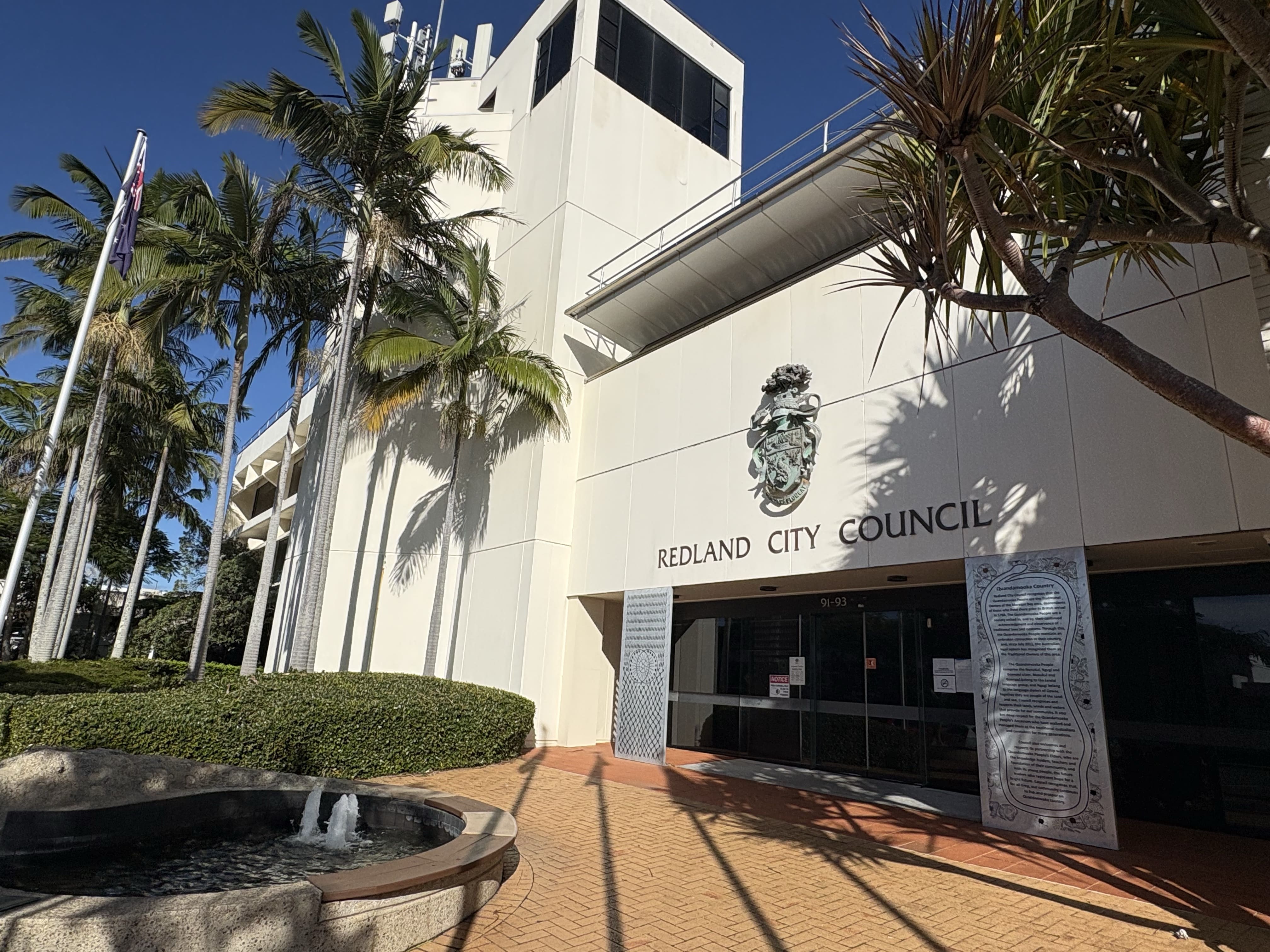
Redlands City Council required a more sustainable and cost-effective method for managing their emergency lighting systems. The council’s jurisdiction covers 537 square kilometres of Southeast Queensland, including several islands like North Stradbroke Island and the Southern Moreton Bay islands.
The remote island properties are only accessible via passenger ferries or vehicle barges, making routine testing and maintenance not only time-consuming, but substantially expensive labour costs.
“…when you're sending people out on ferries every six months just to do a test—and then they're probably returning to do repairs—that’s a lot of labour costs which you really wouldn’t have to incur if you had a system with remote monitoring capabilities,”
— Jason Foreman, Director at ELS.
To add to their challenges, several buildings were clad in BONDEK, a construction material that interferes with wireless signals. This resulted in the previous emergency lighting manufacturer to provision a router for each building to maintain connectivity, further increasing costs in hardware, installation, and servicing.
Poor wireless signal quality had meant that excessive router infrastructure had been necessary, making the cost of ownership, as well as testing and servicing, considerably higher than it might have been.
With rising labour and infrastructure costs, the council was seeking a simpler, reliable solution that would reduce their long-term cost of ownership.
The solution
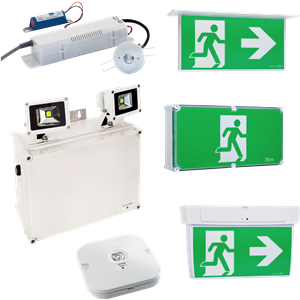
To demonstrate the performance of the Stanilite Nexus RF wireless system, a single router was installed as part of the refit for the council’s administrative building. The results were immediate: the router successfully meshed with all products across the three levels of the office space, with no communication issues.
To support remote visibility, a wireless modem router was also installed that allows both the council team and service providers to securely log in and monitor the system at any time.
Unlike traditional emergency lighting systems, NexusRF doesn’t require a dedicated on-site computer. The system is anchored by a compact device—about the size of an iPad—that is simple to install and cost-effective to maintain. Each router can support up to 126 fittings, helping to reduce the need for excess hardware eve in complex or signal-challenged buildings.
In the administration building alone, the new setup replaced five legacy routers with a single NexusRF unit now managing 88 fittings. This streamlined approach immediately reduced hardware requirements and simplified installation and maintenance.
Following the success of the administration building trial, Redland City Council rolled out the NexusRF system to their other sites, including the island locations, confident in its ability to perform reliably in remote and complicated environments.
The impact
By adopting the Stanilite NexusRF system—distributed exclusively by NHP in Australia—the council was able to significantly reduce the number of routers required across its sites, cutting down on hardware, installation, and servicing costs. In the administration building alone, infrastructure needs were reduced by 80%.
The cloud-based remote monitoring capability has also eliminated the need for regular site visits to island locations for compliance testing and maintenance. This remote functionality has reduced labour hours by around 67%, delivering major ongoing savings in time and travel costs.
At the time of publishing, 239 NexusRF fittings have been installed across six council sites, with further rollouts planned.
Get in touch
For more information or any other inquiries, please don't hesitate to contact NHP. Our team is ready to assist you.