LOCATION
Pilbara, Western Australia
PRODUCTS
Terasaki ACBs | Low Voltage Switchgear | Site Analysis
The Introduction
Maintenance of electrical equipment is critical in all industrial applications as continuous power puts a heavy demand on equipment at all levels of the operation. Failures not only exert a heavy economic burden through lost time production, but more importantly, also have potentially dangerous safety implications for site personnel. Mindful of this, BHP recently completed a project at their Wheelarra and Ore Body 18 mine sites, which are part of the Jimblebar mine.
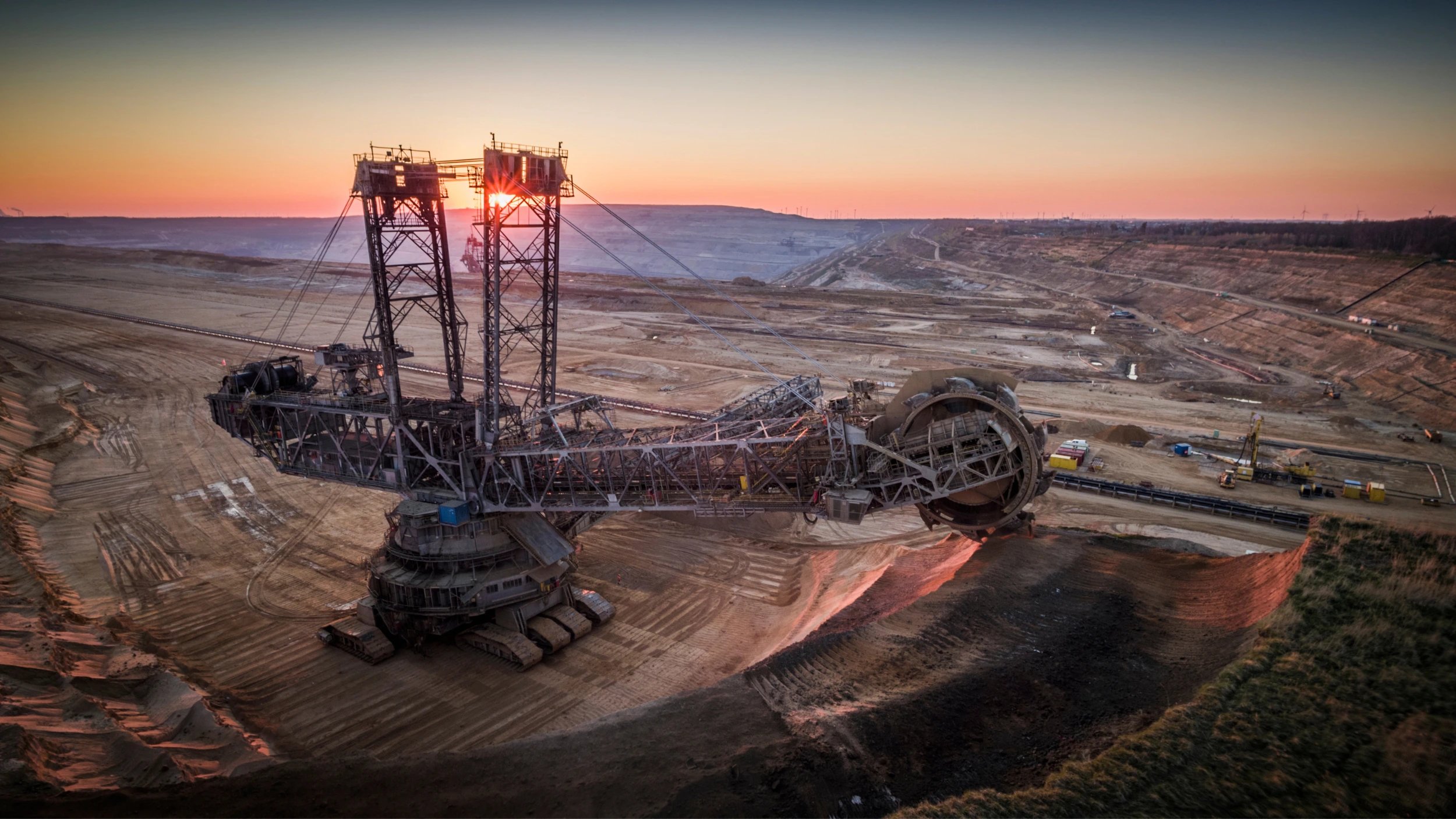
Fully owned and operated by BHP Billiton, the Jimblebar mine is an iron ore mine located in the Pilbara region of Western Australia, 41 kilometres from Newman. As one of seven iron ore mines the company operates in the Pilbara, it was opened in March 1989 and has the capacity to produce 14 million tonnes of iron ore annually via a two-stage crushing circuit.
The overview
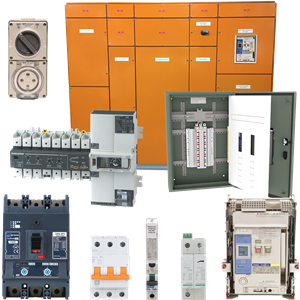
In conjunction with Downer EDI - the electrical contracting company who takes care of the maintenance at the mine site, the project saw the standardisation and maintenance of the ACB (Air Circuit Breakers) installed at the mine site. Playing a central role in initial project discussions through to the successful delivery of the project was NHP and their expert Service Team.
Fully aware of the risks associated with lost time production as well as the benefits that the standardisation and maintenance of ACBs installed onsite, Downer Project Manager, Dave Alexander, saw the need for consistent and reliable products as key to reducing this.
“David and his team were looking for consistency at the mine site through product rationalisation, minimal downtime and improved safety. Their existing ACBs were of different varieties, which caused issues when spares or replacements were required and didn’t allow for remote switching, which was a major safety concern for Downer and BHP”, said Liam Kelly, NHP Service Technician.
Following detailed discussions between BHP, Downer and NHP a number of areas for improvement were identified including the monitoring of overcurrent relays, compatibility of breakers across the site, remote operation of the breaker itself and communication back to the BHP SCADA system. Taking each of these areas into consideration, NHP put together a proposal to address these issues and presented them to both Downer and BHP. The proposals allowed for a staged implementation at the mine site across three key areas including plans to standardise on one over current relay model as well as one control voltage for the ACB.
In addition, it was proposed to adjust MCCs to suit the new ACBs, installing remote open/close functionality for ease of maintenance as well as connection of Modbus communications to supply information back to the BHP SCADA system.
“The mine site proposal included provisions for extensive site works to accommodate the required upgrades. The ability to split the proposed works over multiple visits so as to not impact production was also a strong factor for the Jimblebar site”, Kelly continued.
The Solution
The key benefits of this service program are that the site now only needs to hold a minimal range of spare ACBs, due to the standardisation of the ACBs on these two areas of the Jimblebar mine - this therefore reduces the duration of any future downtime. Other benefits include the implementation of remote opening and closing, ensuring user safety which is integral to the BHP core beliefs.
NHP Products/Services

Get in touch
For more information or any other inquiries, please don't hesitate to contact NHP. Our team is ready to assist you.