breadcrumb
Content SDK component is missing React implementation. See the developer console for more information.
INTRODUCTION
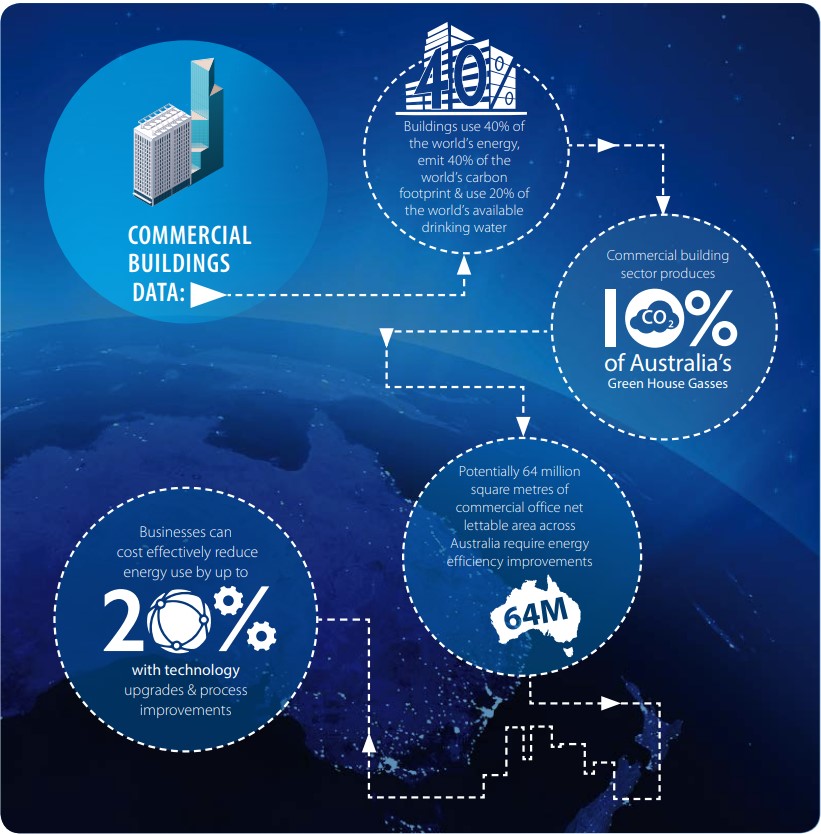
Buildings form one of the largest cost centres in businesses and often represent an untapped opportunity for improving bottom line. With the commercial building sector responsible for approximately 10% of Australia’s total Green House Gas (GHG) emissions, improving building energy efficiency is one of the quickest and most cost-effective ways to reduce operational costs whilst decreasing harmful emissions. It can also form a gateway into a range of other improvement areas regarding overall building performance and operation.
With that said, if property managers cannot quickly and easily understand the operational performance of their portfolios, then their ability to identify and prioritise initiatives and specific actions is greatly limited.
An Energy Management plan can help identify and address common barriers preventing the delivery of the right information to the right people at the right time for real-time decision making. Some of these barriers are technology related, while establishing key energy objectives requires a good framework of practical processes that many organisations will not have initially.
Apart from the financial benefits associated with reducing energy bills and optimising internal operations, an Energy Management plan also provides value where there are legislation requirements (particularly when it comes to energy ratings and CO2 emission reporting), enhancing corporate image and the inherent benefit of reducing the environmental impact. Energy Management builds business value and establishes enduring processes to monitor and achieve best practice in the use of energy.
WHAT IS ENERGY MANAGEMENT?
Energy Management is an ongoing process of identifying, planning and implementing improvements in the way we use energy. Installing energy efficient equipment does not equate to an effective Energy Management strategy. Establishing a framework that facilitates regular engagement with key stakeholders across the business is a must as Energy Management is a journey rather than a one-step solution. To deliver on energy objectives requires adequate resourcing (both personnel and technology) and contribution from a team, not just the residential energy expert.
The ISO 50001:2011 Energy Management standard is a voluntary international standard that provides guidance on the development and implementation of an Energy Management plan. It is based on the Plan-Do-Check-Act (PDCA) methodology and is further illustrated below in Figure 1. The standard outlines a continual process with each step critical to the evolvement of the Energy Management plan. While energy savings and process improvements may be achieved within the first year of implementing an Energy Management plan, these savings can be undone and lost if a short sighted approach is taken.
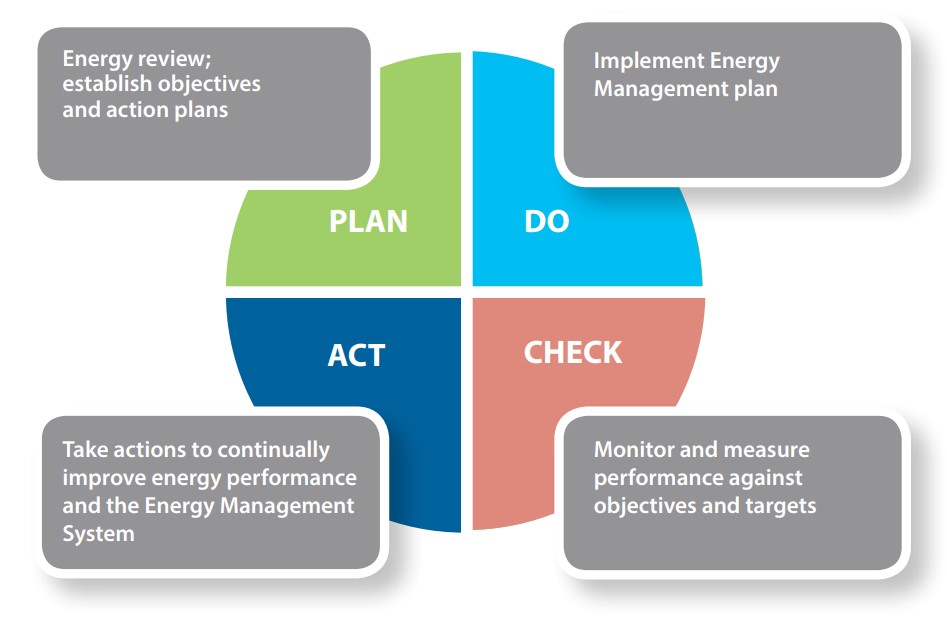
Figure 1: Plan - Do - Check - Act (PDCA) continual improvement framework.
The benefits of using ISO 50001 include compatibility with other international standards and the ease of integration with other management systems such as Environmental Management (ISO14001) and Quality Management (ISO9001) systems.
An energy monitoring system is a key element to the Energy Management plan and facilitates the ‘Check’ aspect of ISO 50001. “If you cannot measure it, you cannot improve it”.
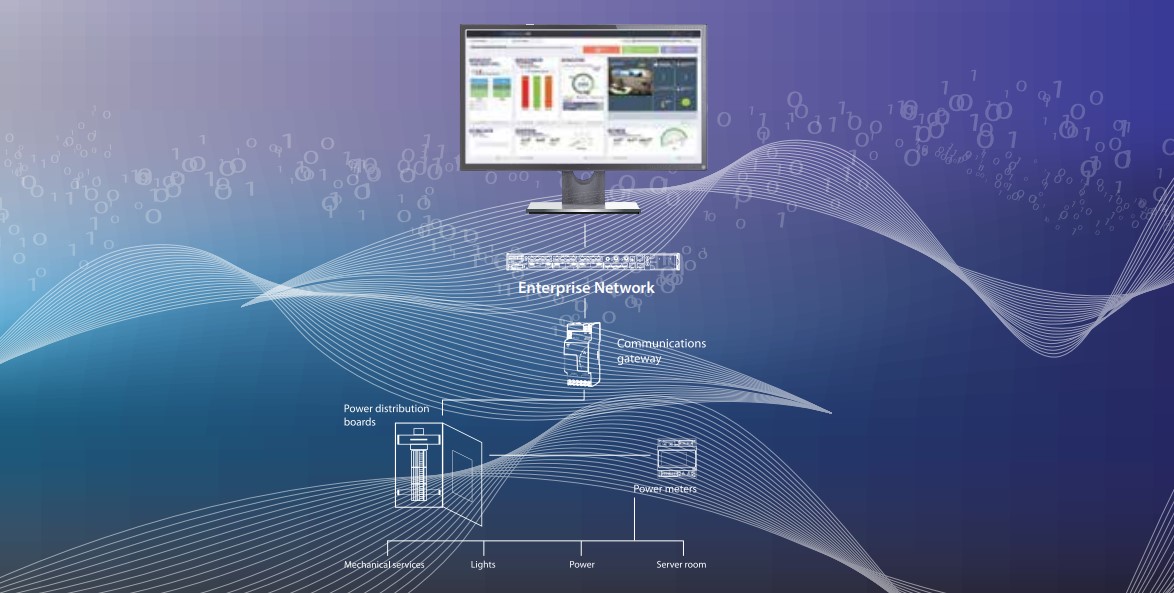
In order to establish a baseline to track improvements against, an energy monitoring system typically consists of field measurement devices such as current transformers, transducers and power meters that communicate recorded information via data logging and gateway equipment through to Energy Management software, neatly summarising the information and providing a means to further analyse trends and performance.
An example of a simple implementation of IS0 50001 within an office building could be:
Plan – Target 30% reduction of energy costs associated with inefficient lighting by replacing with LED lighting
Do – Implement the plan and install the LED lighting
Check – Measure the performance of the LED lighting compared with the old lighting system
Act – Did we achieve a 30% reduction? If not, what else can we do to improve the results? An example may be that the lighting remains on 24/7. The next step can involve automating the lighting so it is only running when people are in the building and so on.
There are other Energy Management guides readily available, all serving the purpose of assisting organisations to implement an effective Energy Management strategy. The common element in each of these is the continual development and ongoing process involved.
WHY ENERGY MANAGEMENT?
Energy Management builds business value, establishing enduring processes to monitor and achieve best practice in the use of energy. It also provides a framework of practical processes and procedures to deliver on an organisation’s energy objectives. There are a range of reasons and benefits associated with Energy Management and at a high level we explore the common factors that help drive this industry.
Save Money - Financial & operational improvement incentives
One of the leading factors that drives organisations to design and implement an Energy Management plan is their ability to unlock financial savings. Summarising it best, “using energy more efficiently offers an economic bonanza, not because of the benefits of stopping global warming but because saving fossil fuel is a lot cheaper than buying it”.
Increasing electricity rates, green levies and tighter operating margins and profits are further economic drivers forcing operators to consider Energy Management strategies. Undertaking technology upgrades and process improvements identified in an energy audit, businesses can reduce energy use by as much as 20% or more, in turn receiving significant savings from energy bills.
Energy Management has evolved to be more than just about the measurement of energy. Fault detection and diagnosis, predicative maintenance, and advanced analytics and trending provide valuable information and insight that can assist with operational improvements returning genuine dollar savings attributed to reducing downtime, lowering maintenance costs and improving capital value. In addition, energy efficient buildings are more likely to receive higher occupancy and longer lease terms as well as improving their ability to negotiate better energy contracts.
Reduce Environmental Impact
GHG from energy production have proven to be a big influence of climate. As climate patterns shift, so does typical weather, rainfall, sea levels, ocean acidification levels, arctic glaciers, extreme weather events, animal habitats, and species population levels. As a result, greater emphasis and ownership is placed on organisations and individuals to positively change their influence on GHG and climate change. Energy Management provides a means to effectively make a difference.
Technological Advancements
Advances in technology have introduced new ways to better manage our electricity to reduce demand and costs. From LED lighting, smart meters, intelligent software packages, Power Factor Correction (PFC) systems and building automation, facility operators have a myriad of technology to capitalise on to achieve their respective objectives.
Through the emergence of the Internet of Things (IoT), further information and insight is now available but this has also created the challenge of managing increasing scattered data sources.
Energy Management systems are tasked with providing the right information to the right person at the right time for real-time decision making. In response to this need, Energy Management systems are becoming increasingly more powerful integrating many different sources of data into the one central location so a holistic view is available.
Corporate Image
In an increasingly competitive commercial building market, the property industry equates sound energy efficiency with good management and sustainability leadership. By demonstrating a commitment to protect and conserve the environment, landlords are better positioned to attract tenants who expect greener buildings and healthier workplaces. Factors like social responsibility, perception and innovation etc. can also potentially contribute to an employee’s engagement with their workplace.
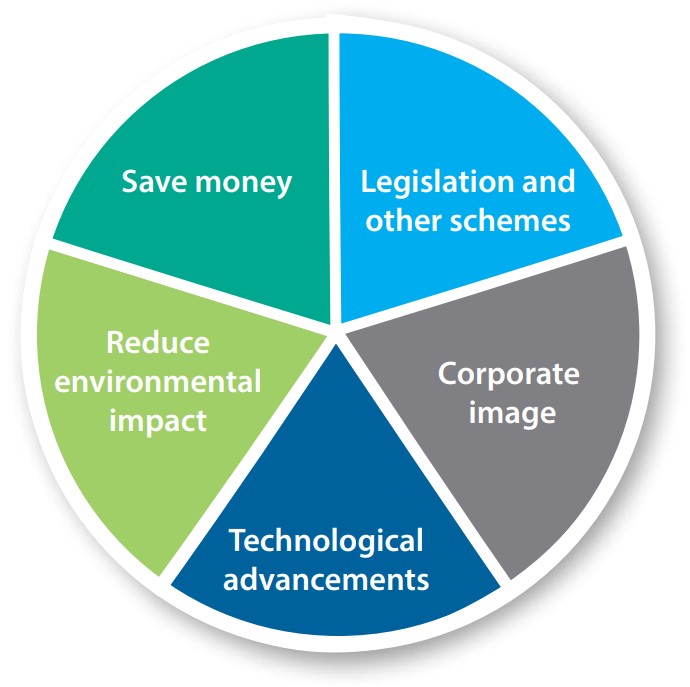
Figure 2: Key Energy Management drivers
Legislation and other schemes (Energy efficiency codes, initiatives, systems and mechanisms)
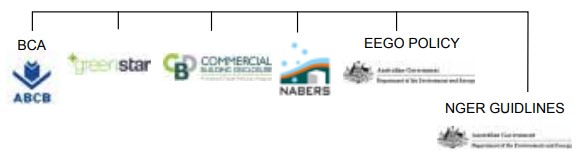
Figure 3: Energy efficiency codes and mechanisms - Austraila.

Figure 4: Energy efficiency codes and mechanisms - New Zealand.
Building Codes
National Construction Code - Section J (Australia)
Section J deals with energy efficiency requirements of the Building Code of Australia for class 2 to 9 BCA standard definition buildings. The main objective of the BCA Section J is to reduce the GHG emissions of a building by reducing the amount of energy it requires for its normal operation, whilst not hindering performance.
Building Code - Section H1 (New Zealand)
Refers to guidelines around building design and the systems within the buildings that may impact the performance of the operation of building from an energy efficiency point of view.
Green Star
Green Star is a national, voluntary and holistic environmental rating system available in both Australia and New Zealand, that evaluates the environmental design and construction of buildings. Green Star rating tools help the property industry to reduce the environmental impact of buildings, improve occupant health and productivity, and achieve real cost savings while showcasing innovation in sustainable building practices.
NABERS
NABERS is a national rating system that measures the environmental performance of buildings, tenancies and homes in Australia and New Zealand. NABERS measures the energy efficiency, water usage, waste management and indoor environment quality of a building or tenancy, and its impact on the environment with performance rated on a 1-6 star scale. NABERS ratings are available for offices, hotels, shopping centres and homes.
CBD
Commercial Building Disclosure (CBD) is a national program designed to improve the energy efficiency of Australia’s large office buildings. Under the Building Energy Efficiency Disclosure Act 2010, there are mandatory obligations applicable to many commercial buildings. Most sellers or lessors of office space of 2,000 square metres or more are required to obtain and disclose a current Building Energy Efficiency Certificate (BEEC). This threshold will be lowered to 1,000 square meters as of July 1st 2017. A BEEC is comprised of a NABERS Energy star rating for the building, an assessment of tenancy lighting in the area of the building that is being sold or leased, and general energy efficiency guidance.
Energy Efficiency in Government Operations
The Energy Efficiency in Government Operations (EEGO) Policy aims to reduce the energy consumption of Australian Government operations with particular emphasis on building energy efficiency outlining minimum NABERS rating for energy of 4.5 stars for its buildings.
The EEGO Policy also contains unique provisions for the Department of Defence as it accounts for approximately half of the energy used by Australian Government operations.
National Greenhouse and Energy Reporting (Australia only)
The National Greenhouse and Energy Reporting (NGER) scheme was introduced in 2007 to provide data and accounting in relation to GHG emissions and energy consumption and production. The scheme’s legislated objectives are to: underpin the carbon price mechanism, inform policy-making and the Australian public, meet Australia’s international reporting obligations, and provide a single national reporting framework for energy and emissions reporting.
Energy Efficiency Conservation Authority (New Zealand Only)
Energy Efficiency Conservation Authority (EECA) is the government agency that works to improve the energy efficiency of New Zealand’s homes and businesses, and encourages the uptake of renewable energy.
EECA have a number of programs to incentivise businesses to identify and implement cost-effective projects. For many of these programs, EECA work with Programme Partners (specialists in this area) with programs covering:
- Commercial building performance advice energy audits
- Energy Management benchmark service
- Energy Management plan
- Monitoring and targeting
SMART BUILDINGS
Smart Buildings (n): A program enacted by an organisation responsible for a property portfolio that is enabled by technology and data to improve the management, operations and capital efficiency of its physical assets.
Energy Management forms an integral component to Smart Buildings, where a recent report from ABI Research forecasts that Smart Buildings’ global facility services revenue will grow from $625 million in 2015 to more than $8 billion in 2021.
In simple terms, Smart Buildings are those that feature building automation technology and smart systems that facilitate improved operational performance. From building management systems that control and regulate heating, ventilation and air-conditioning, to automated lighting systems, and not to forget Energy Management systems, the technology within a Smart Building continues to evolve with IoT, further enabling operational and control systems.
The concept of Smart Buildings incorporates the idea that these buildings can be managed and operated more efficiently. However, as highlighted from the above discussions on Energy Management, establishing a framework is essential to utilise all the information and technology available. A summary of the typical Smart Building data sources is listed as per Figure 5.
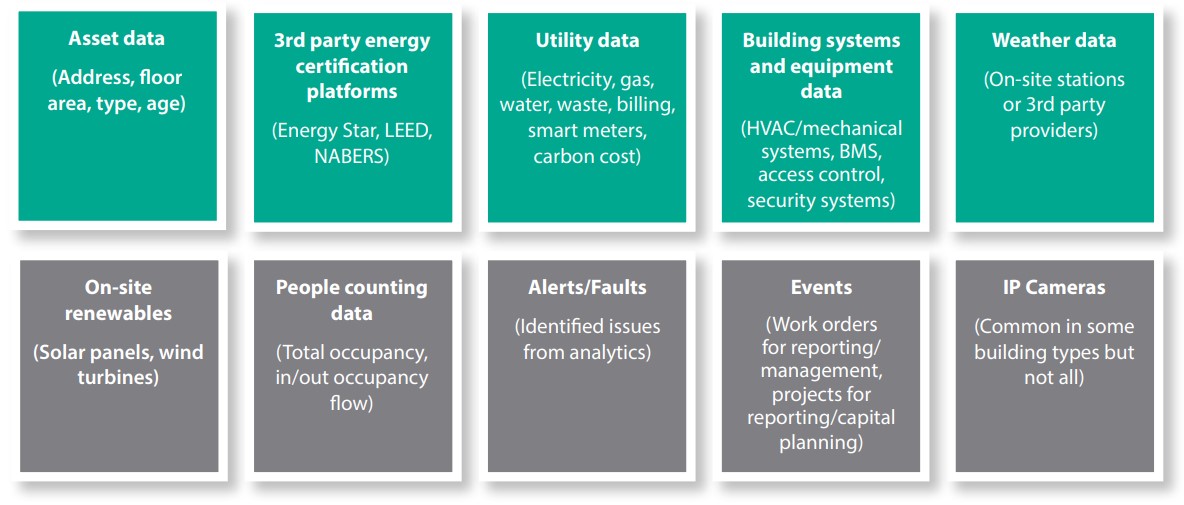
Figure 5: Typical Smart Building program data sources.
To help further explain the concept of a Smart Building and how a Smart Building model differs from a traditional model, Figure 6 provides a high level comparison of approaches to each and how they typically differ.
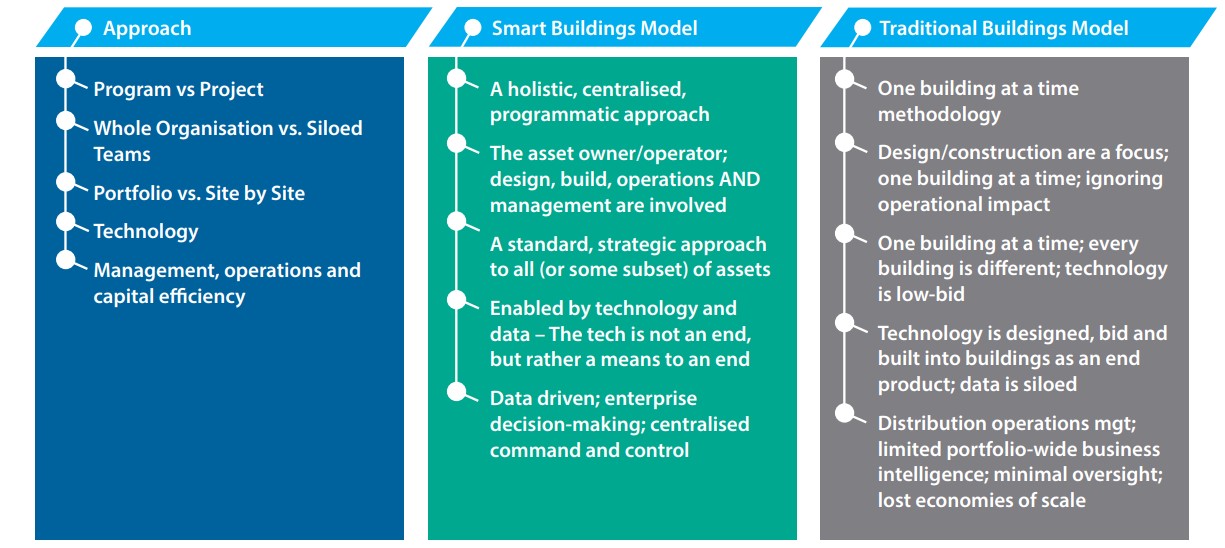
Figure 6: Defining Smart Buildings and comparing their approach to traditional building models.
SMART BUILDING PROGRAM
A Smart Building program is a strategy to implement and utilise a variety of building service systems and technologies across the portfolio to improve management and operations, reduce capital and ongoing expenditures, and create a better environment for occupants.
Common pitfalls encountered when establishing a Smart Building program include:
- Lack of understanding of the existing system within the building
- No clear objectives
- Part-time, unengaged team members
- No clear integration strategy. For example, attempting to integrate everything without clear idea of the business problem to be solved
- No demonstrated outcome
- Program stalls as a result of the above
To assist in the implementation of a Smart Building program a similar approach to the ISO 50001 standard can be used to ensure an enduring and effective process is established. An example highlighting the must do’s of a Smart Building program is illustrated below in Figure 7.
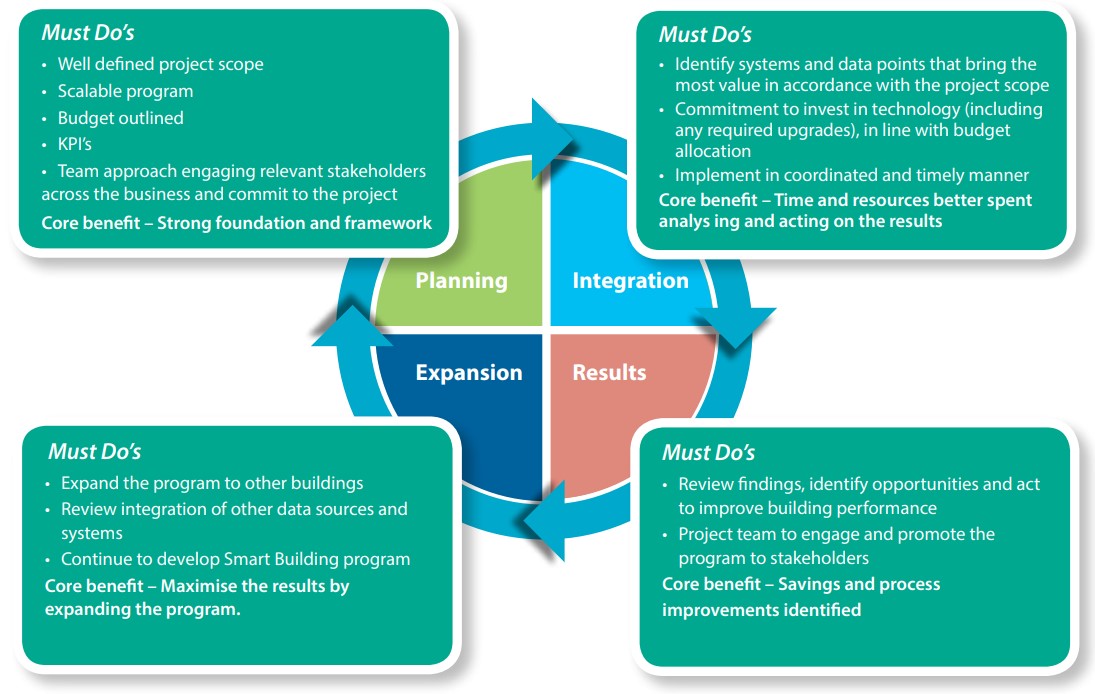
Figure 7 : Smart Building program must do’s
THE NHP SOLUTION
Measurability that leads to improved efficiency and superior building operations
When it comes to commercial Energy Management solutions, NHP offers innovative devices and intelligent buildings software empowering customers to achieve their energy and sustainability goals.
Measurement - Plan and implement
Energy Metering
Energy Metering is the essential component to understanding energy consumption and power quality. NHP offer a comprehensive range of metering solutions including advanced power quality measurements. Complementary accessories are also available with a wide range of solid core current transformers as well as split core current transformers, which are ideal for retrofitting applications.
Energy Management Controllers
Providing gateway communication along with data logging of connected measuring devices, NHP’s Energy Management Controllers form a communication master unit capable of monitoring up to 32 energy meters and display data in a standard internet browser.
Visualisation - Connect and take action
Energy Management Software
With the ability to integrate with energy, water and gas measuring devices along with other facility systems, the NHP InfoSyte platform provides valuable insights into building operations and performance. InfoSyte delivers a complete building intelligence platform, including advanced analytics, fault detection, smart alerts and in-built reporting capabilities. InfoSyte empowers users to identify energy efficiency and process improvement opportunities.